Tag Archives: academia

RIP Teresa de Lauretis (1938 – 2026)

In Amerika stierf academica Teresa de Lauretis. Ze was Italiaans van origine, maar werkte lang in Californië waar ze ook stierf op 87-jarige leeftijd.
Ze is de bedenker van de term ‘queer theory’, dat deed ze 36 jaar geleden al; ik zeg zo meteen wat ik zo fantastisch vind aan die term.

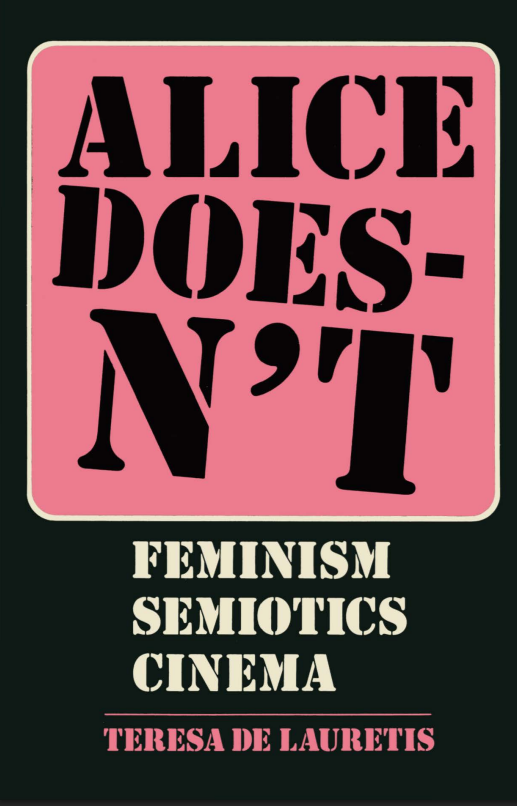
Van haar hand zijn boeken als Alice Doesn’t (1984) dat in tegenstelling tot wat men zou kunnen denken niet verwijst naar de Scorsese film Alice Doesn’t Live Here Anymore (1974) maar verwijst naar een protestaffiche die de academica ooit vond waarop het vrouwensymbool stond met een datum in 1979 erin en met daarnaast de woorden: ‘ALICE DOESN’T’. En wat is het precies dat Alice niet meer wil? Iets in de aard van wat Lysistrata niet meer wilde doen? Als een vrouw niet meer wil, wat wil ze dan niet meer? By the way, gelijk heeft ze.

Continue reading

RIP Linda Williams (1946 – 2025)

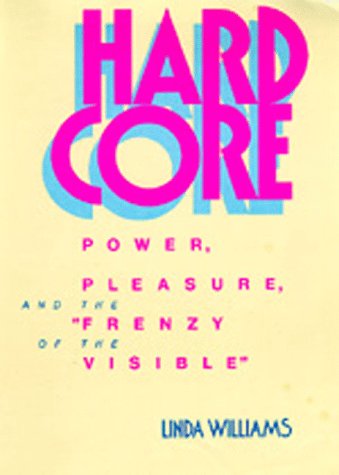
Hard Core: Power, Pleasure (1989)

Linda Williams was een Amerikaanse academica bedrijvig in de filmstudies en auteur van het boek Hard core: power, pleasure (1989), een vroege academische studie van pornografie. Ze schreef ook het essay “Film bodies: gender, genre, and excess” (1991) waarin ze de definitie van de parapluterm ‘body genres’ — de lichaamsgenres dus — uitbreidde met het genre van de melodrama.

‘In Hard core: power, pleasure zette Linda Williams eigenhandig de hele trend van de academische studie van pornografie op de kaart. De publicatie was wat gedurfd, met het beladen woord hardcore in de titel. De omslag zelf zag eruit als een sensationalistische seksroman, met de Miami Beach art deco-belettering uit de jaren tachtig die populair was in de pornofilms die in dit boek worden besproken.’

Met die woorden beschreef Sholem Stein het belangrijkste boek van Williams.

Rust zacht Linda.

RIP Zeev Sternhell (1935 – 2020)

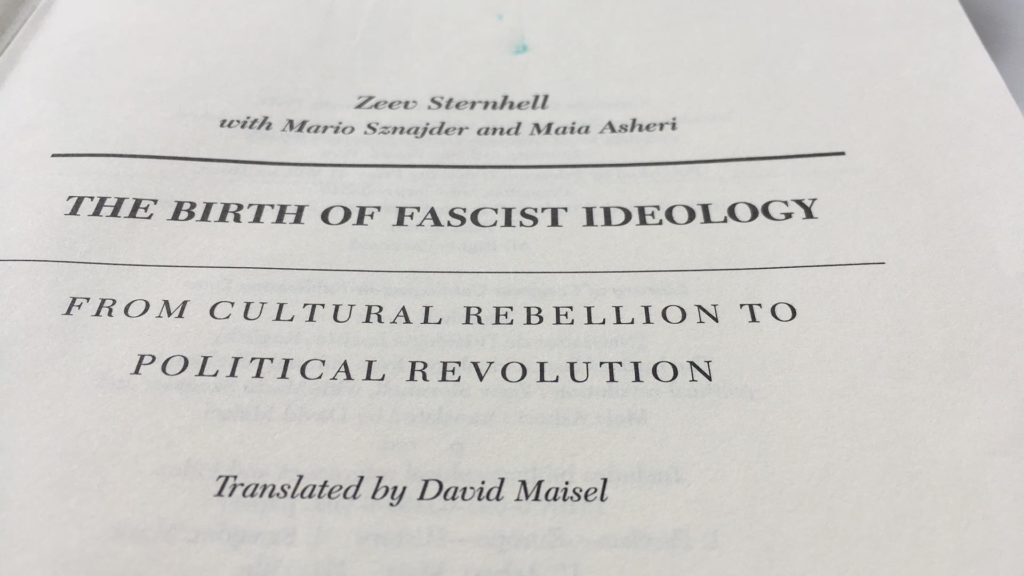
The Birth of Fascist Ideology (1989)

Zeev Sternhell was an Israeli scholar known for his study of fascism, The Birth of Fascist Ideology (1989).

I headed for the university library and found that book.

I read the introduction and the rest of the book ‘by index’.

Doing that, I stumbled upon the grand sweeping statements by T. E. Hulme on his hatred for the Renaissance, Rousseau and Romanticism:

“That is why he [Hulme] was so hostile to romanticism: underlying romanticism and the French Revolution, he believed, was the Rousseauist concept of the individual. Rousseau, he wrote, taught the people of the eighteenth century “that man was by nature good,” that he was “an infinite reservoir of possibilities,” and that the source of all evils was “bad laws.” According to Rousseau, the destruction of the existing oppressive order would open up infinite possibilities of progress. Classicism, wrote Hulme, was defined by an opposite conception, namely, that “man is an extraordinarily fixed and limited animal whose nature is absolutely constant. It is only by tradition and organization that anything decent can be got out of him.””

The citations are from T. E. Hulme’s Speculations (1936).

It is interesting to note that Sternhell locates the origins of fascism within the artistic realm:

“A desire to cleanse the world of the defilements of the eighteenth century and to introduce various forms of discipline such as classicism and nationalism, no less than a rejection of liberal and bourgeois “decadence,” united in a single tide of sentiment some of the most important literary and artistic avant-gardes in Europe.”