[Youtube=http://www.youtube.com/watch?v=aEAObel8yIE]
Fantasmagorie (1908) – Émile Cohl
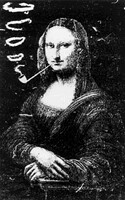
Émile Cohl (January 4, 1857 – January 20, 1938), born Émile Eugène Jean Louis Courtet, was a French caricaturist of the largely-forgotten Incoherent Movement, cartoonist, and animator, called “The Father of the Animated Cartoon” and “The Oldest Parisian”.
Émile Cohl began drawing cartoon strips and created a film in 1908 called Fantasmagorie. The film largely consisted of a stick figure moving about and encountering all manner of morphing objects, such as a wine bottle that transforms into a flower. There were also sections of live action where the animator’s hands would enter the scene. The film was created by drawing each frame on paper and then shooting each frame onto negative film, which gave the picture a blackboard look.
Cohl made Fantasmagorie from February to May or June 1908. This is considered the first fully animated film ever made. It was made up of 700 drawings, each of which was double-exposed, leading to a running time of almost two minutes. Despite the short running time, the piece was packed with material devised in a “stream of consciousness” style. It borrowed from J. Stuart Blackton in using a “chalk-line effect”, having the main character drawn by the artist’s hand on camera, and the main characters of a clown and a gentleman (this taken from Blackton’s “Humorous Phases of Funny Faces”). The film, in all of its wild transformations, is a direct tribute to the by-then forgotten Incoherent movement. The title is a reference to the “fantasmograph“, a mid-nineteenth century variant of the magic lantern that projected ghostly images that floated across the walls.
“Fantasmagorie” was released on August 17, 1908.
Fascinating.
One more.
[Youtube=http://www.youtube.com/watch?v=X-Wsv3FgLBE]
The Automatic Cleaning Company